
Book a free condition assessment
We assess your ventilation system for free and prepare a customized quote. 5-year installation warranty for all work.
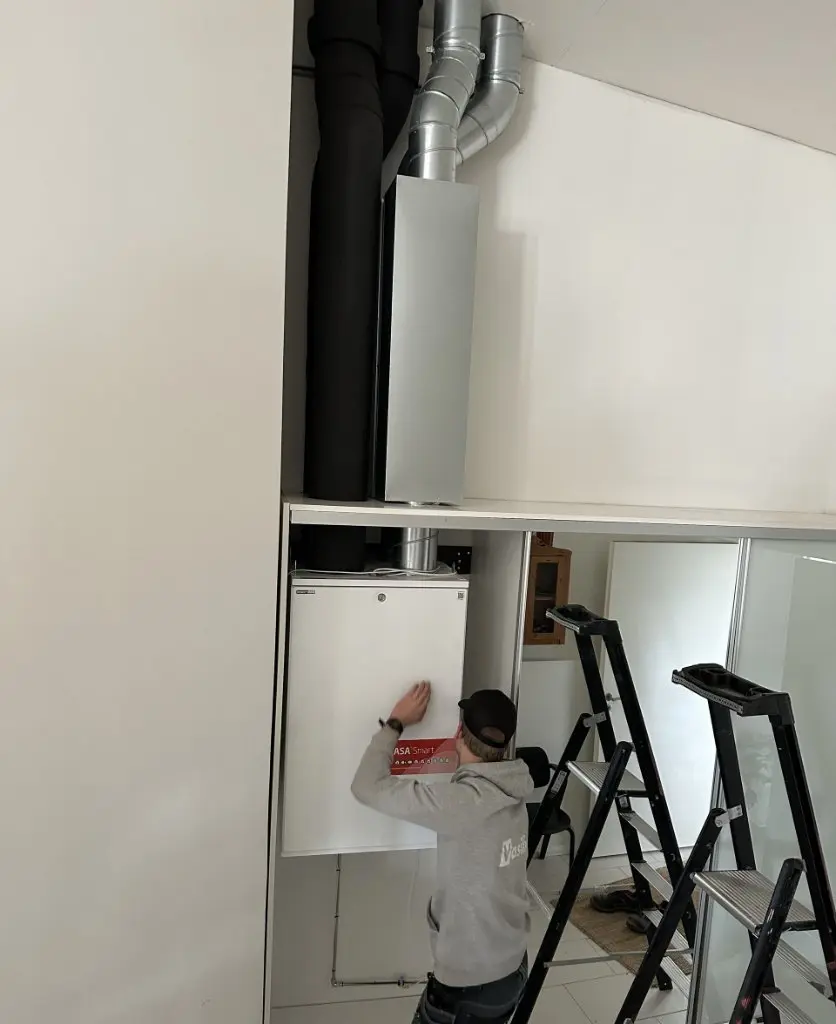
Ventilation Unit Replacement
Does it make sense to replace an old ventilation unit with a new one?
Short answer: not always.
Replacing a ventilation unit only makes sense when it's part of a functioning overall solution. Many ventilation issues are not caused by the unit itself, but by a system that hasn't been sized or built correctly. If your system needs a broader improvement, see Ventilation Unit Replacement + System Upgrade.
A unit that's too small, incorrect sizing, or ductwork that doesn't work can mean the new unit won't solve the problem — and, in the worst case, it increases energy use without improving indoor air quality.
Better energy efficiency
More fresh air with less energy use
Save on your electricity bill
Up to 20-40% lower heating electricity costs
Quiet operation
Significantly quieter and more reliable
Easier to use
Everyday life is easier with an automatically controlled unit
A sustainable future
We want to ensure a long lifespan; that's why our ventilation unit installations include a 5-year installation warranty
A sensible choice
Buying a new unit is smarter than repairing a ventilation unit that is over 15 years old
When should you replace the ventilation unit?
When your unit is loud, uses a lot of electricity, or repairing it would cost more than €500.
Older units may draw replacement air through the building structure in winter by stopping the supply fan, which can introduce moisture into structures, reduce indoor air quality, cause health issues, and increase the risk of moisture damage.
A new unit can have an annual efficiency of over 80%, while an old 20–30-year-old unit is often about half of that.
A ventilation unit's technical service life is typically around 20–30 years.
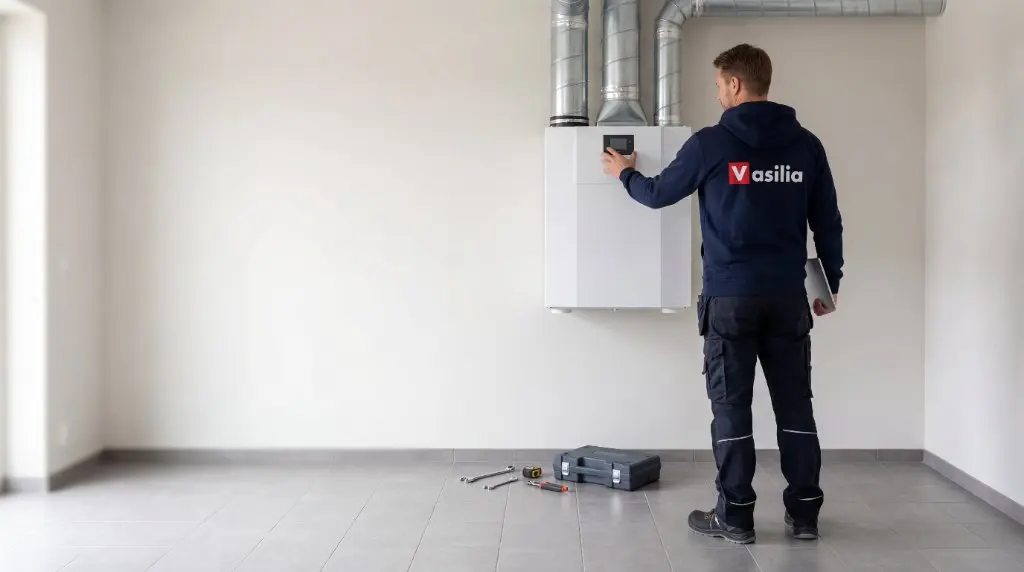
A new unit is also an investment in the future
Even if the initial cost feels high, it can pay itself back in 5–10 years through energy savings and higher air exchange.
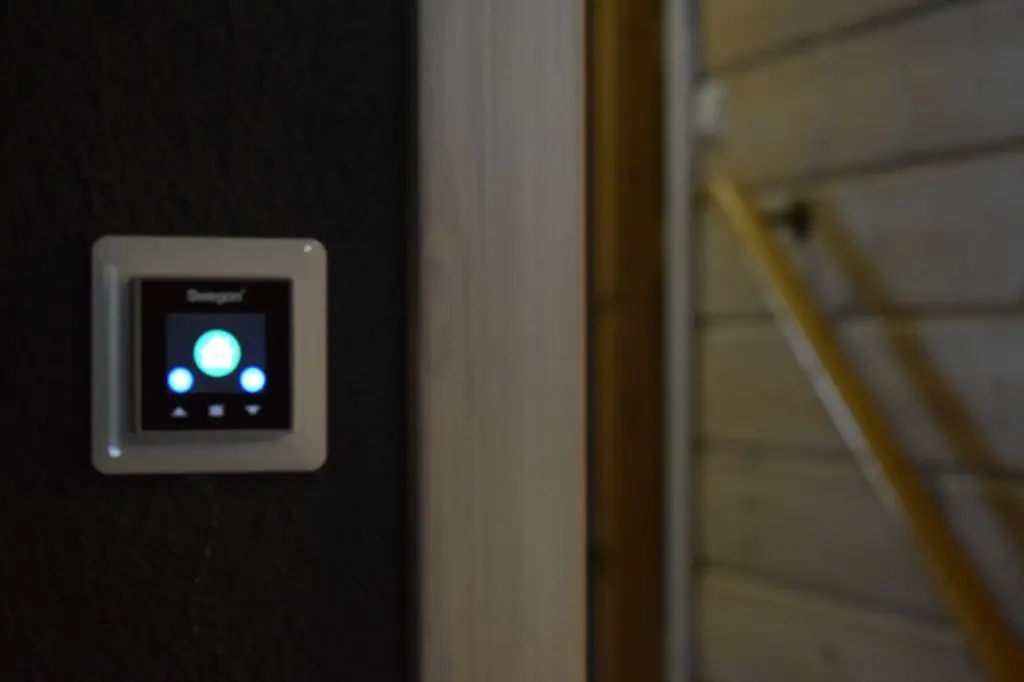
Modern indoor air automation detects moisture loads (e.g., showering) and high CO₂ levels and adjusts automatically.
You no longer need to turn the unit up manually after sauna/showering to remove fogging.
In winter, indoor air quality stays steady even in very cold weather, so you can live healthier all year round.
Our customers trust us
Satisfied customers are our best reference


